Blockchain Predictive Analysis
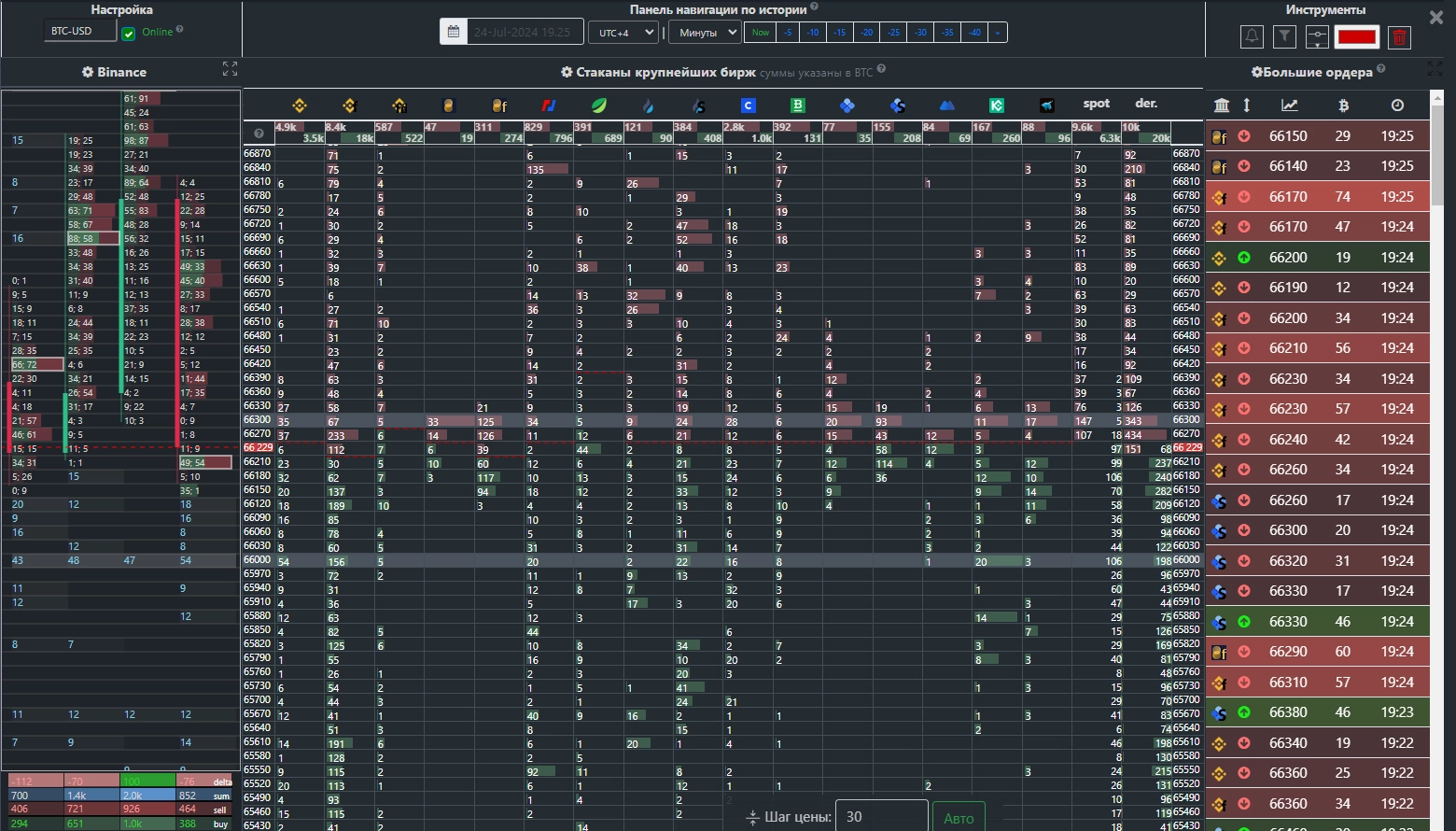
The cryptocurrency market has no single authoritative order book across all venues. Traditional finance is also fragmented across exchanges and over-the-counter markets, so this is not unique to crypto. Centralized exchanges, decentralized exchanges and automated market makers (AMMs) expose different slices of liquidity; their relative shares vary by asset and period.
As a result, the market turns into an extremely complex distributed system consisting of thousands of interconnected liquidity pools, arbitrage bots, market makers, and centralized platforms. Any significant price change in one part of the system triggers a chain reaction: arbitrage algorithms instantly begin evening out cross-exchange spreads, moving capital between networks, pools, and exchanges.
Prices reflect human decisions, automated strategies, liquidity and market rules together. Automation alone does not establish whether a particular technical-analysis method is more or less effective. That requires an out-of-sample comparison with realistic fees, slippage and data delays.
In essence, the modern cryptocurrency market increasingly resembles a complex self-organizing system, close in its properties to distributed computing or even biological ecosystems. Here it is impossible to analyze an individual exchange in isolation from the rest of the market. To build truly effective predictive models, it is necessary to take into account a huge array of on-chain data: movement of funds between wallets, changes in pool liquidity, market maker activity, stablecoin issuance, capital movement between networks, and even the behavior of specific groups of arbitrage bots.
Public blockchains let us inspect confirmed transfers and contract state, while traditional markets also publish trades, order books and disclosures. On-chain data adds a useful view, not complete knowledge of price formation: wallet ownership is often uncertain, a transfer need not be a sale, and centralized-exchange activity may remain off-chain. Any apparent early signal needs checks for timestamp alignment, look-ahead bias and performance after costs.
However, this very transparency paradoxically makes the market even more complex. The more participants use identical analysis models, the faster their advantage disappears. Any discovered regularity gradually begins to influence the behavior of the market participants themselves, changing the system and rendering previous models ineffective.
That is precisely why blockchain predictive analysis is not so much a task of price forecasting, as an attempt to model the behavior of a complex adaptive system in which millions of people and algorithms continuously change the rules of the game right in the process of its existence.